
The International Skills Partnership (ISP) Mauritius
The International Skills Partnership (ISP) Mauritius is a collaborative initiative designed to support the implementation of the Mauritius National Circular Economy Roadmap 2023–2033 by strengthening technical and vocational education in priority circular economy sectors. The project focuses on developing industry-relevant skills for the Mobility and Logistics sector, with particular emphasis on End-of-Life Vehicles (ELVs), waste batteries, and tyre management, aligning with Roadmap Action P40.
The partnership brings together HRUC, Brunel University London’s Wolfson Centre, UVAC, the Mauritius Institute of Training and Development (MITD), Business Mauritius, and the Government of Mauritius to co-design and pilot locally relevant training programmes. Through technical needs assessments, curriculum development, quality assurance, trainer capacity building, UK–Mauritius knowledge exchange, and pilot implementation, the project aims to establish a sustainable national skills framework that supports Mauritius’ transition to a circular economy.
The initiative directly contributes to the national vision of embedding circular economy principles across society by 2050, while supporting the Roadmap’s intermediate goals for 2033, including increased resource productivity, improved waste management, and the creation of green employment opportunities.
Mauritius CE National Roadmap

Click the icon above to download to the Roadmap and Action Plan for a Circular Economy in the Republic of Mauritius
The Roadmap and Action Plan for a Circular Economy in the Republic of Mauritius (2023–2033) provides a national strategic framework to guide Mauritius’ transition from a traditional linear economy, i.e., take–make–dispose, to a circular economy that maximises resource efficiency, reduces waste, strengthens resilience, and supports sustainable economic growth. Developed by the Ministry of Environment, Solid Waste Management and Climate Change with support from the United Nations Environment Programme (UNEP), the roadmap establishes a long-term vision of positioning Mauritius as a regional leader in circular economy practices and a model for Small Island Developing States (SIDS).
The roadmap identifies five priority economic sectors for intervention:
Priority 1
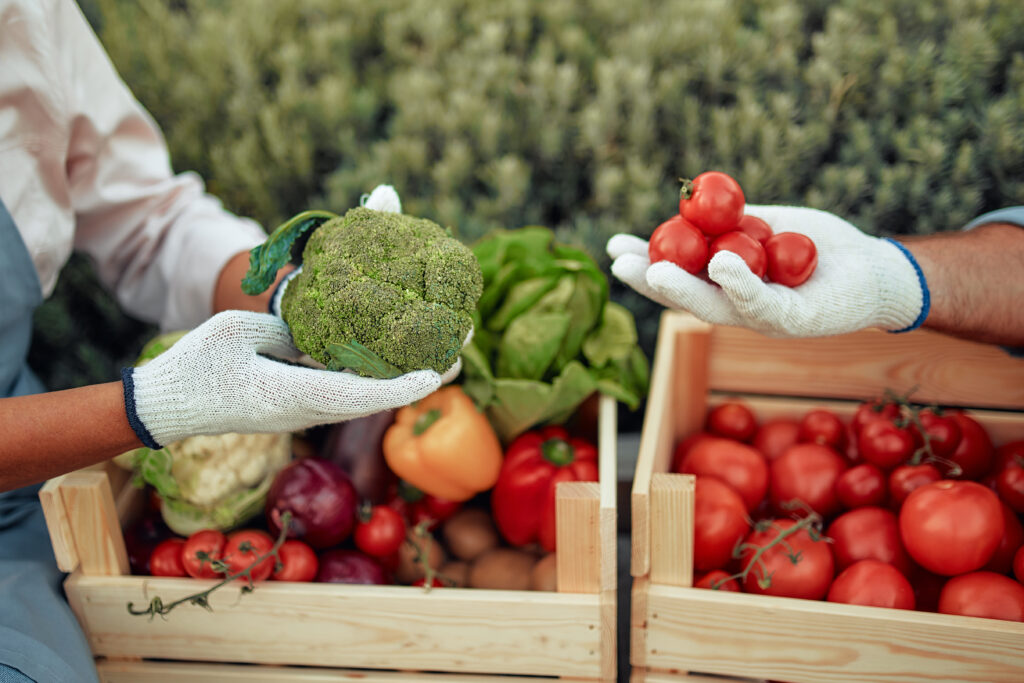
Agri-food
Priority 2
Construction and real estate

Priority 3
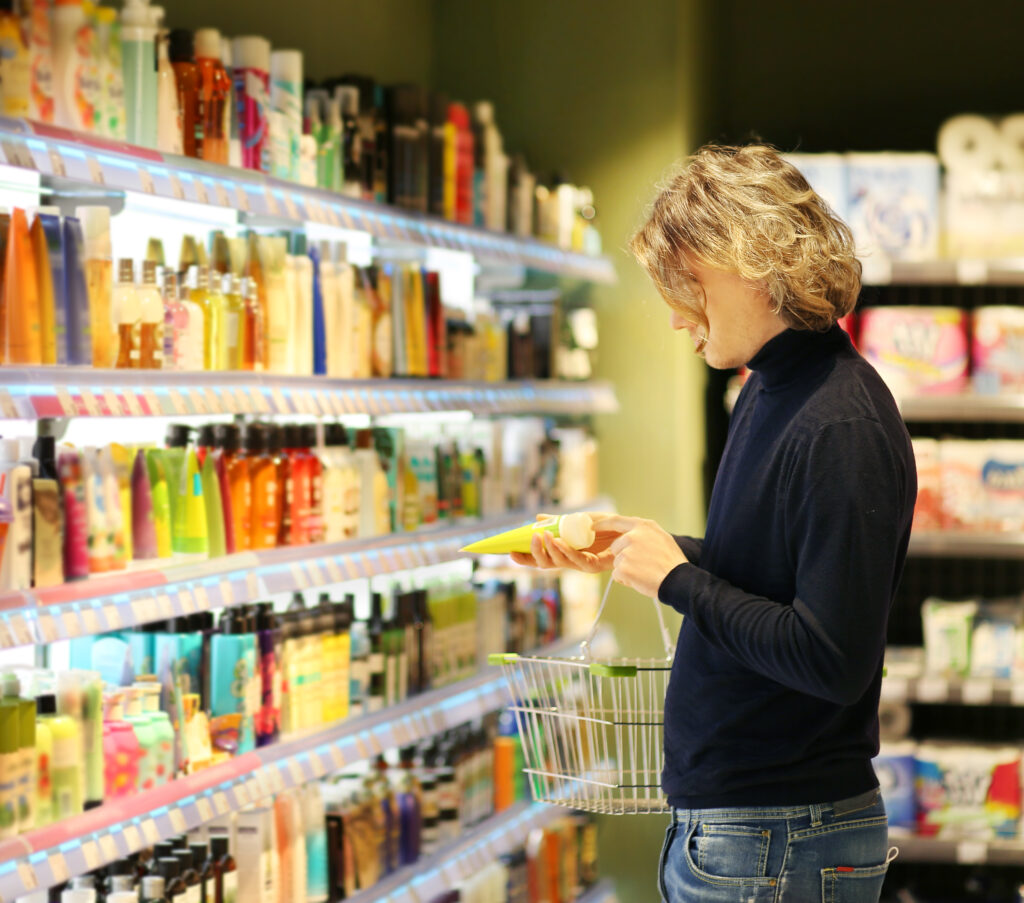
Consumer goods
Priority 4
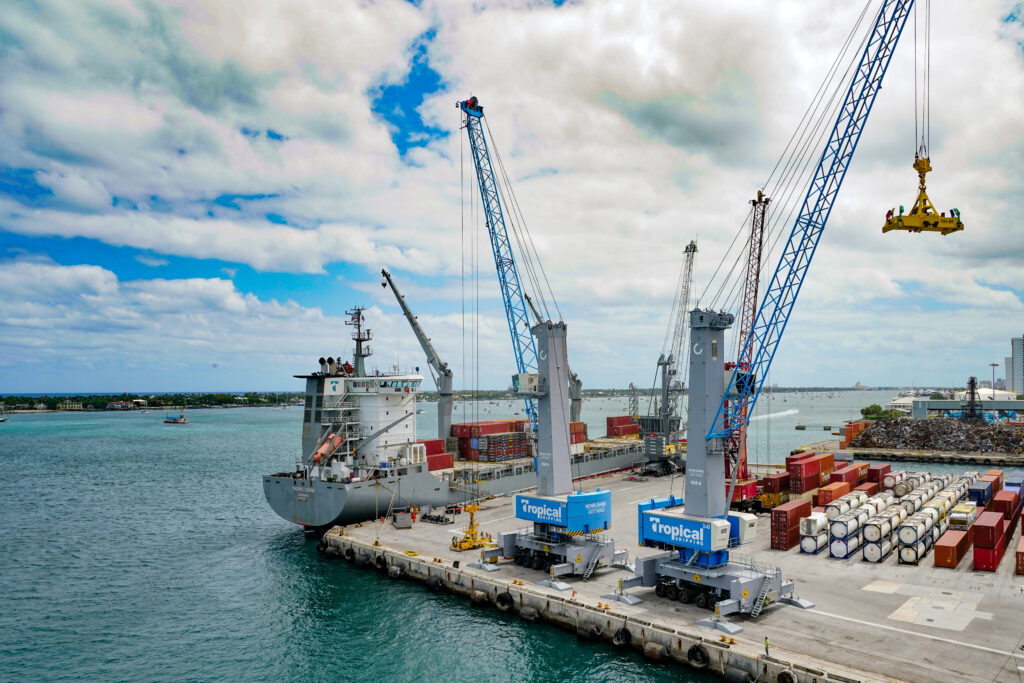
Mobility and logistics
Priority 5
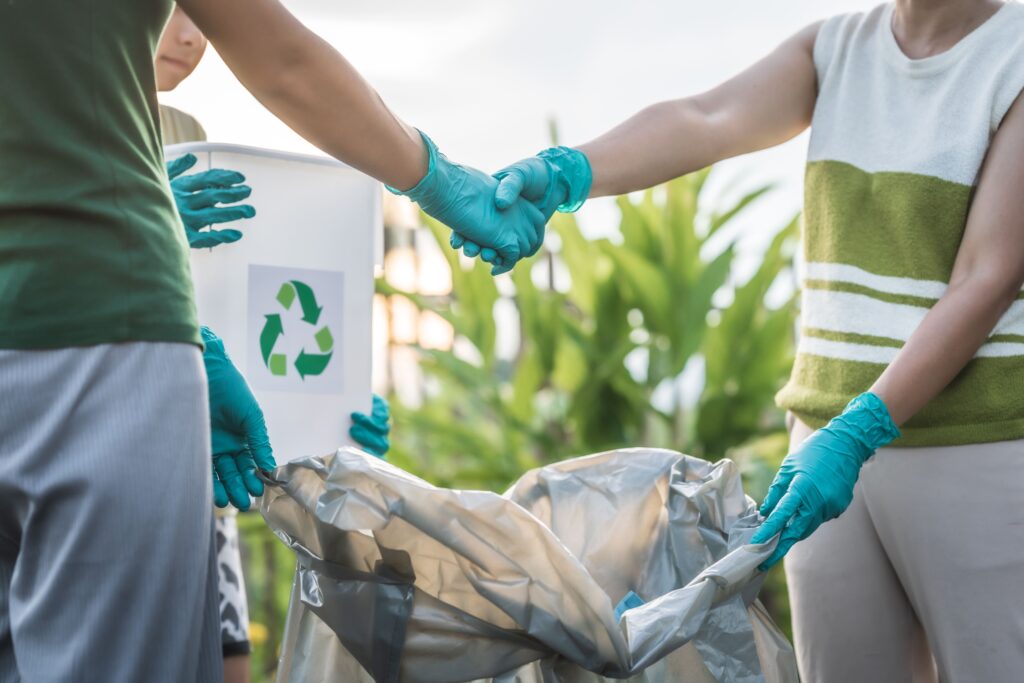
Waste Management
FAQ
1. What is the purpose of the Roadmap and Action Plan for a Circular Economy?
The Roadmap and Action Plan provides a national framework to guide Mauritius in transitioning from a traditional linear economy, where resources are extracted, used, and discarded, to a circular economy that keeps products, materials, and resources in use for as long as possible. Its objective is to reduce waste, improve resource efficiency, strengthen economic resilience, create green jobs, and support sustainable development. The roadmap also provides a shared vision, measurable targets, strategic priorities, and concrete actions that will help coordinate efforts across government, businesses, academia, civil society, and citizens.
2. Why does Mauritius need to transition to a circular economy?
The roadmap explains that Mauritius has become increasingly dependent on imported food, energy, and manufactured goods while generating growing amounts of waste. As a Small Island Developing State (SIDS), Mauritius faces limited natural resources, high dependence on imports, vulnerability to climate change, and increasing waste management challenges. The circular economy is presented as a means of reducing these vulnerabilities by improving resource productivity, minimising waste, supporting sustainable production and consumption, and creating new economic opportunities through innovation and green employment.
3. What sectors are prioritised in the roadmap?
The roadmap identifies five economic sectors with the greatest potential for accelerating the circular economy transition:
- Agri-food
- Construction and real estate
- Consumer goods
- Mobility and logistics
- Waste management
These sectors are supported by several cross-cutting areas, including governance, education and awareness raising, research and innovation, business support, public procurement, and fiscal policies and financing. Together, these sectors form the foundation of the national circular economy strategy.
4. What are the long-term goals of the roadmap?
The roadmap establishes eight measurable goals to be achieved by 2033. These include increasing resource productivity by 25%, reducing municipal solid waste generation by 10%, reducing total waste generation relative to GDP by 10%, cutting food waste by 50%, increasing plastic packaging recycling to 50%, diverting 70% of municipal waste from landfill, increasing the national recycling rate to 50%, and generating a circular economy contribution equivalent to 1.5% of GDP while creating approximately 10,000 new green jobs. These targets provide a framework for monitoring national progress.
5. What are the five strategic pillars of the roadmap?
The roadmap is organised around five interconnected strategic pillars:
- Circular economy through product design and sustainable production.
- Circular economy through sustainable consumption.
- Circular economy through better waste management.
- Circular economy through circular business models and innovation.
- Circular economy through a circular culture.
Together, these pillars encourage improvements throughout the entire product life cycle—from design and production to consumption, reuse, repair, recycling, innovation, and behavioural change.
6. How will the roadmap be implemented?
Implementation is planned over a ten-year period (2023–2033) through a programme of 80 actions for Mauritius and an additional 30 actions for Rodrigues. The roadmap proposes governance structures including an Inter-Ministerial Committee, a Steering Committee, Circular Economy Platforms for priority sectors, and a Cross-Cutting Committee. Progress will be monitored using macro-level indicators measuring national outcomes alongside micro-level indicators assessing implementation of specific actions. The strategy will be reviewed after the first year and subsequently every three years to ensure it remains effective and responsive.
7. What role do education, research and businesses play in the transition?
The roadmap recognises that achieving a circular economy requires more than policy changes. It proposes integrating circular economy principles into school curricula, Technical and Vocational Education and Training (TVET), and higher education, while supporting research, innovation, and awareness raising. Businesses are encouraged to adopt circular business models through targeted support, financing opportunities, incubator programmes, research partnerships, and improved access to knowledge and practical tools. These measures aim to build national capacity and encourage innovation across all sectors.
8. How can different stakeholders contribute to the circular economy?
The roadmap emphasises that the transition is a shared responsibility requiring collaboration across society. Government is expected to develop enabling policies, legislation, governance structures, and financing mechanisms. Businesses are encouraged to innovate, redesign products and services, and adopt circular business models. Academic institutions contribute through education and research, while civil society organisations and individuals help promote sustainable consumption, waste reduction, reuse, repair, and recycling. The roadmap concludes that only through coordinated action by all stakeholders can Mauritius successfully achieve its long-term vision of becoming a regional leader in the circular economy.
These priorities are supported by cross-cutting actions in governance, education, research and innovation, business support, public procurement, and financing. It sets measurable goals for 2033, including improved resource productivity, reduced waste generation, higher recycling rates, increased diversion of waste from landfill, and the creation of green jobs. These objectives are underpinned by five strategic pillars focused on sustainable production, sustainable consumption, improved waste management, circular business models and innovation, and the development of a circular culture.
To achieve these ambitions, the roadmap outlines 80 actions for Mauritius and an additional 30 actions for Rodrigues, supported by governance structures, monitoring and evaluation mechanisms, financing strategies, and performance indicators. The transition to a circular economy is a collaborative national effort requiring coordinated action from government, businesses, academia, civil society, and citizens to embed circular economy principles across all aspects of development and ensure long-term environmental, economic, and social sustainability.
